Sensor and Image Processing Technologies in Industrial Production
Sensor systems and image processing technologies are powerful tools that enhance efficiency and minimize errors in industrial production processes. In machine manufacturing, sensors ensure the proper functioning of machines, while image processing systems perform quality control on production lines. This page provides detailed information about how these technologies work and the benefits they offer to the industry.
Sensors are used to ensure quality control on production lines, monitor the healthy operation of machines, and optimize processes. These sensors, which increase the operational efficiency of machines, provide real-time data by measuring parameters such as temperature, pressure, speed, and humidity. Additionally, they play a crucial role in detecting faults and performing pre-maintenance analyses.
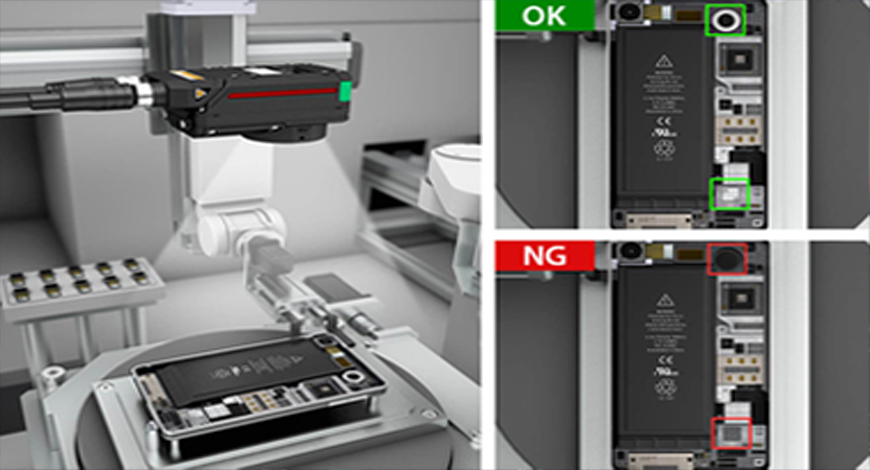
Image processing is a technology that analyzes images obtained through cameras and sensors, enabling quality control, detection, and troubleshooting on production lines. Image processing algorithms process visual data to identify defective products and remove them from the production line. With the ability to perform high-speed and high-accuracy analysis, this technology offers a significant advantage in industrial production processes.
Our work benefits
Sensor systems convert data from the physical world into digital information, ensuring the correct operation of machines and systems. Image processing systems analyze this data, providing quality control, defective product detection, and process optimization. Both technologies guarantee the efficient and error-free operation of production lines.
- Data Collection
- Quality Control
- Fast Analysis
- Accurate Diagnosis
HOW WE PRACTICAL
Our Work Process
At this stage, feasibility studies are conducted to determine the suitability of sensor systems and image processing applications. Based on the existing production line and needs, the requirements of the solution are analyzed.
- Needs Identification
- Feasibility Study
- Technical Analysis
- Project Planning
Once the needs are identified, custom sensors and image processing algorithms are designed. At this stage, the most suitable sensor placements and image processing techniques for machine manufacturing are determined.
- Needs Analysis
- Custom Solutions
- Prototype Testing
We are a team of visionary engineers with the ideas and experience to shape the future. As an integrated engineering company, we consist of a group of agile and skilled engineers, each specializing in various engineering disciplines. We guarantee plant availability and operational security, ensuring smooth and efficient operations.
- Integration
- Hardware Connections
- Software Integration
We are a team of visionary individuals with ideas and experience, dedicated to developing a forward-thinking vision for the future. As an integrated engineering company, we are composed of a group of agile and experienced engineers with expertise across various fields of engineering. We ensure plant availability and operational security, providing reliable solutions for long-term success.
- System Testing
- Implementation on Production Line
- Monitoring and Improvement
Proper planning and meticulous installation are essential for the systems to function correctly. The accurate placement of sensors and the proper calibration of software enhance success. Additionally, factors such as environmental conditions and lighting should be considered to ensure that image processing algorithms yield accurate results.
Sensor systems help machines learn and respond to environmental factors. Image processing technologies, on the other hand, utilize deep learning and artificial intelligence algorithms to monitor the quality of production lines in a more intelligent way.
Each industry has its own unique sensor and image processing requirements. Therefore, selecting sensors suitable for production lines is crucial to ensure the system operates efficiently and without errors. Additionally, advanced image processing solutions optimize calibration, analysis, and diagnostics.